How to Plant Heather in Acidic Soil: A Step-by-Step Guide
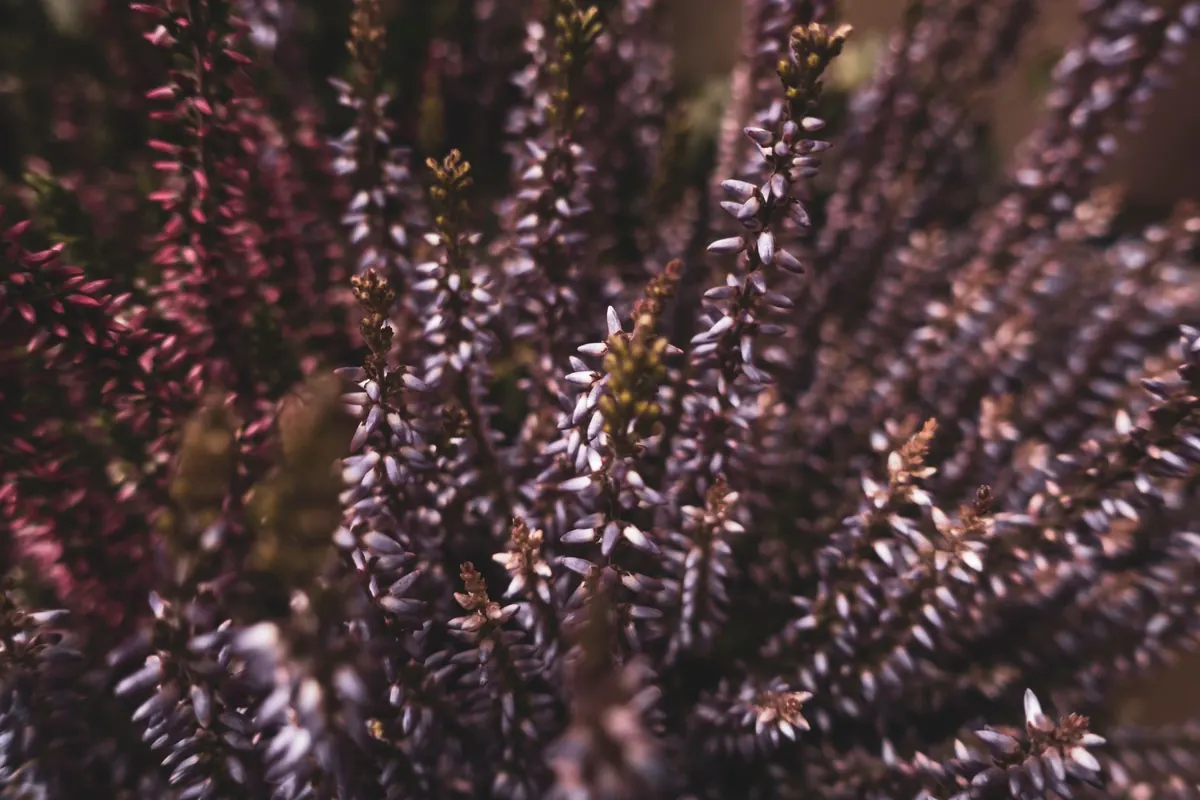
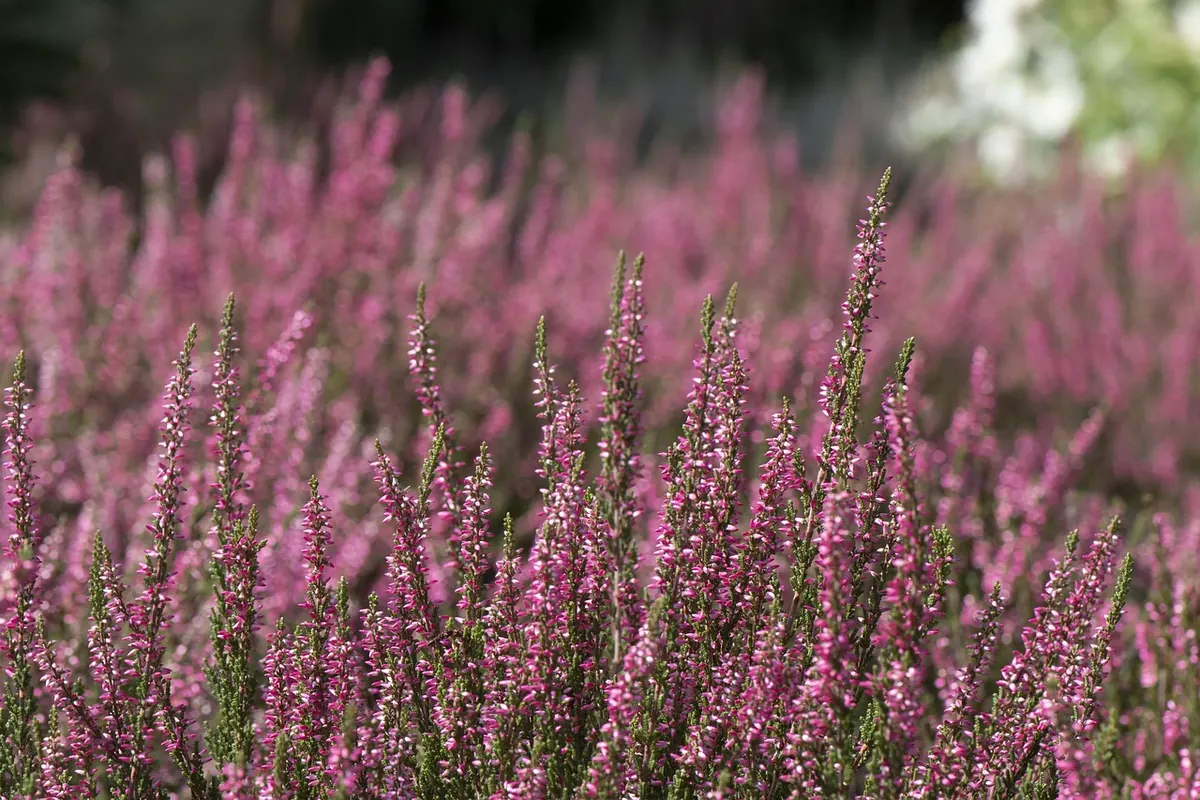
Heather looks like the most independent plant in the garden — a wiry little shrub that clothes whole moorlands in purple and shrugs off wind, frost and poor grazing. Put it in the wrong soil, though, and it fails quietly. Growth slows, the foliage yellows, and within a couple of seasons you are staring at bare twigs wondering what went wrong. Most of the time, the answer is pH. Get the ground acidic and free-draining before the roots go in, and heather asks for remarkably little afterwards.
Pick a Site With Sun and Moving Air
Almost all of the heathers grown in gardens — Calluna vulgaris, the summer-flowering Scottish heather, and most Erica species — want full sun and soil that never sits wet. Aim for at least six hours of direct light. A gentle slope is ideal, because cold air and surplus water drain away from the roots instead of pooling around them. Flat ground is fine as long as it drains; a hollow at the bottom of a lawn usually is not.
Wind is less of a problem than you might expect. Heathers evolved on exposed hillsides and handle it well. What they hate is being smothered — by long grass, by overhanging shrubs, by a thick mat of fallen leaves.
One useful exception: winter heathers (Erica carnea and Erica × darleyensis) tolerate neutral to slightly alkaline soil, so they are the ones to choose if your pH simply will not come down. Everything else belongs in acid ground.
Test Before You Dig
A cheap pH probe or a colour-comparison kit from a garden centre takes ten minutes and saves a season of guessing. Heathers are happiest between about pH 4.5 and 5.5, and they will manage up to roughly 6.0. Above 6.5, growth stalls and foliage turns chlorotic — yellow between green veins — as iron becomes unavailable to the roots.
Test in several spots rather than one. pH shifts across a garden: soil next to a concrete path, an old wall footing or a heap of builder's rubble can be noticeably more alkaline than the bed ten feet away. If only part of the border is unsuitable, plant that part with something else.
Prepare the Soil Properly
Heathers are shallow-rooted, with fine fibrous roots that live in the top 15–20 cm (6–8 in) of soil. That is where all your work needs to happen.
- Clear thoroughly. Dig out perennial grasses, bindweed and creeping buttercup by the root. Heather will not out-compete them.
- Loosen the top 30 cm (12 in) with a fork, without turning the subsoil up to the surface.
- Add acidic organic matter. Composted pine bark fines, leaf mould from oak, beech or birch, and garden compost in moderation all improve structure without pushing pH up.
- Leave out the lime, wood ash, mushroom compost and manure. All of them raise pH, and the first three are the most common reason home-planted heathers fail.
On heavy clay, plant on a slight mound and work in grit plus pine bark so water moves through the root zone. A raised bed 20–25 cm deep filled with an ericaceous mix is even more reliable and is the best answer for genuinely alkaline gardens. Pockets of ericaceous compost dug into limy ground do work for a while, but lime migrates back in from the surrounding soil within a few years.
Elemental sulphur will lower pH, but it is slow — often a full season — and it must be applied at the rate on the packet. If you need fast results, change the planting method rather than the chemistry.
Planting Bare-Root and Potted Heather
Bare-root plants
These arrive as bundles of rooted cuttings in late autumn or winter while dormant. Stand the roots in a bucket of water for twenty to thirty minutes before planting, and trim any that are broken or shredded. Dig a hole wide enough to spread the roots out flat, set the plant so the point where roots meet stem sits exactly at soil level, then backfill, firm gently with your knuckles and water well. Never bury the stem — heathers rot quickly when planted deep.
Potted plants
Container-grown heathers can go in whenever the soil is workable, though early spring and early autumn give the best establishment. Water the pot thoroughly an hour beforehand, then slide the plant out and tease apart any roots circling the edge of the rootball. Set it at the same depth it was growing in the pot, firm it in and water. A light mulch straight away keeps the surface moist while new roots extend.
Skip fertiliser at planting. Heathers are adapted to nutrient-poor ground, and a nitrogen-rich feed pushes soft, sappy growth that winter damages.
Spacing and Grouping
Read the label, because mature spread varies enormously. Low carpeting Calluna cultivars are usually set 20–30 cm apart for quick cover; taller bushy forms need 45–60 cm; tree heathers such as Erica arborea want a metre or more. Close planting is a virtue here — heathers knit together and shade out weeds better as a mass than as scattered individuals. Group them in threes and fives rather than spacing them evenly, and repeat the same cultivar for a stronger block of colour.
Watering and Mulching
Water deeply at planting and keep the soil consistently moist through the first growing season, especially during any dry spell. Those shallow roots dry out fast, and a heather that wilts twice in its first summer rarely recovers fully. In containers, use rainwater where you can; hard tap water adds lime over time and slowly spoils the compost.
Mulch 5–7 cm (2–3 in) deep, keeping it clear of the crown of the plant:
- Composted pine bark fines
- Pine needle litter raked from under established trees
- Leaf mould from oak, beech or birch
- Ericaceous compost
- Chopped bracken or pine twiggy prunings
If the mulch smells sour or mats into a solid crust, it is too wet and too thick. Break it up and let the surface breathe.
The First Year and Beyond
Most heather failures come down to a handful of avoidable mistakes. Plant too deep and the stem rots. Plant into a wet hollow and the roots suffocate. Feed heavily and the growth goes soft. Cut back into old, leafless wood and the plant simply does not regrow — Calluna in particular will not shoot from bare stems, so trim lightly each year rather than hard every few years.
Lightly shear summer-flowering heathers in early spring, just as new growth begins, or straight after flowering. Trim winter-flowering Erica once the flowers fade. Keep the mulch topped up, water through dry spells for the first two summers, and pull out any grass that creeps into the clumps. Do that, and a planting that looked sparse in its first autumn will close into a solid, weed-proof carpet of colour within three years — with almost nothing asked of you in between.
Photo: Qnula / Pexels